
The gap between good Gherkin examples and bad ones comes down to one thing: behavior over button-clicks. Treat each scenario as a contract for one behavior, and your feature files turn into living documentation instead of brittle scripts. Writing good Gherkin examples is about describing behavior so clearly that a developer, a tester, and a… Continue reading Good Gherkin Examples vs Bad Scenarios (with Fixes)
Author: Jose Amoros
Jose Amoros is part of the TestQuality marketing team at Bitmodern Inc., where he covers software testing strategy, agentic QA architecture, and AI-powered test management. For the past 4+ years, Jose has authored over a hundred articles on Software Testing areas such as Test Automation, Manual Testing, or QA Best Practices, helping teams streamline their testing workflows. His content dives deep into exploratory testing, test frameworks, and Agile QA strategies, making complex concepts actionable. At TestQuality, he bridges the gap between technical testing concepts and real-world implementation. Passionate about making QA accessible, he believes “great testing starts with understanding both the code and the people who use it.”
Connect with Jose on LinkedIn for more QA insights.
How custom AI agents via MCP extend autonomous QA
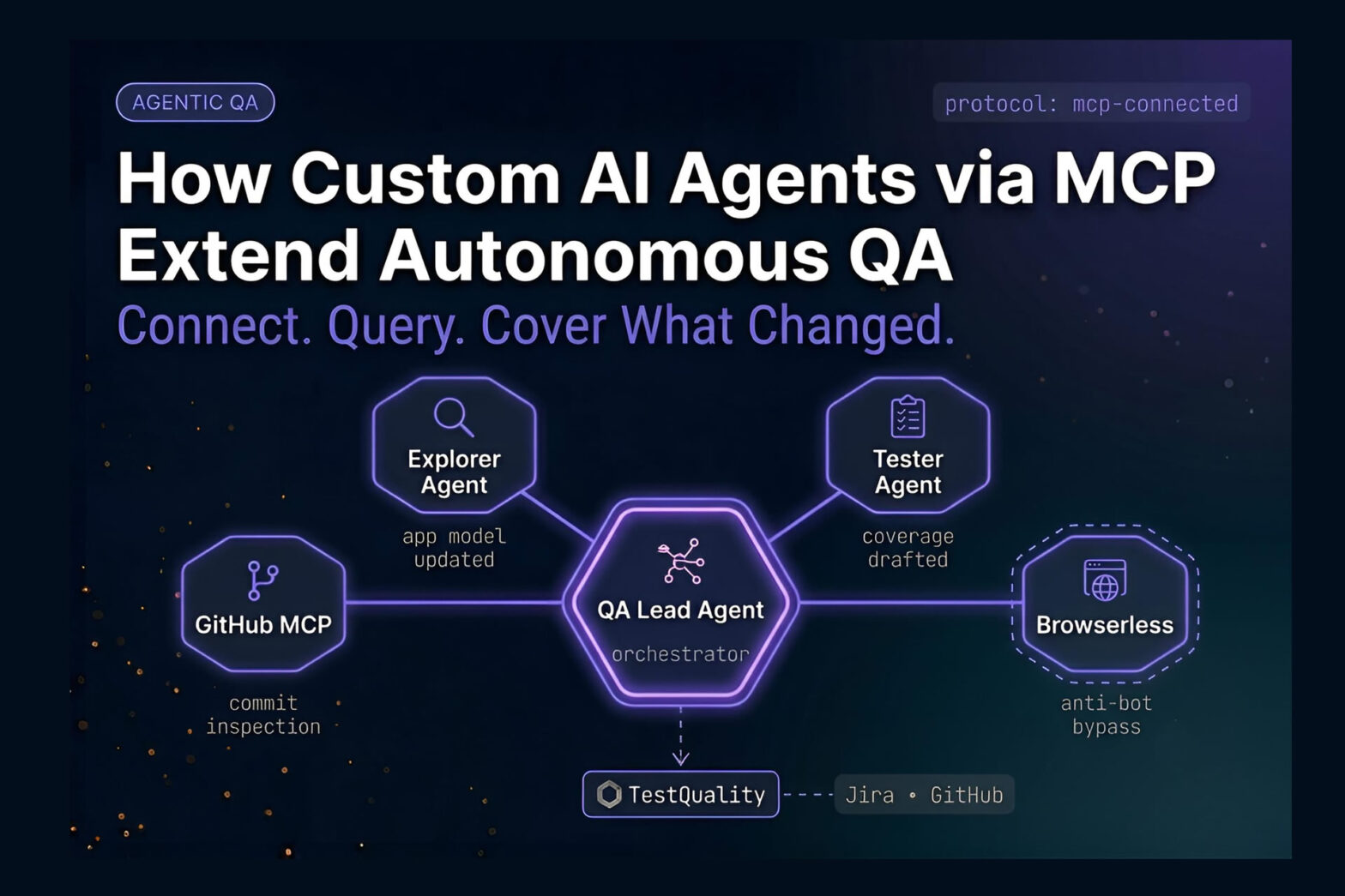
Custom AI agents via MCP (Model Context Protocol) let an autonomous QA system reach beyond its built-in skills by connecting to external tools such as GitHub and browser automation services. In practice, that means a QA agent can inspect source code changes, identify new features, compare them against existing test coverage, and create missing test… Continue reading How custom AI agents via MCP extend autonomous QA
CLI Coding Agents for QA Engineers: Setup, Workflows, and Tradeoffs
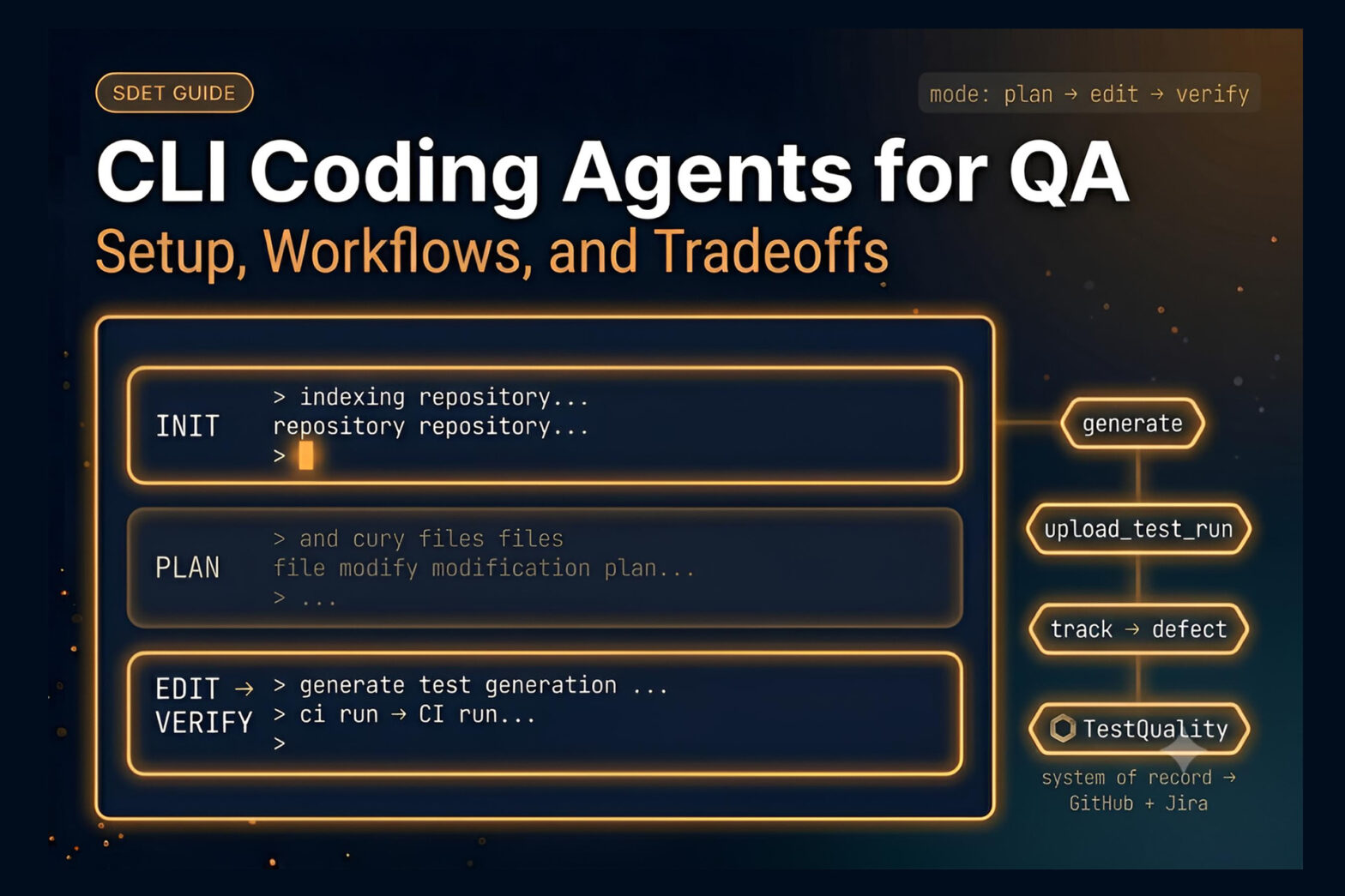
At a Glance CLI Coding Agents for QA: What You Actually Get Terminal-resident, repo-aware, and capable of running your entire test loop autonomously. Scope advantage: CLI agents operate across your entire repository — not just open files — letting you assign multi-file refactors, coverage gap analysis, and bulk selector updates without leaving the terminal. Verification… Continue reading CLI Coding Agents for QA Engineers: Setup, Workflows, and Tradeoffs
Human in the Loop Testing: Where AI Ends and QA Judgment Begins
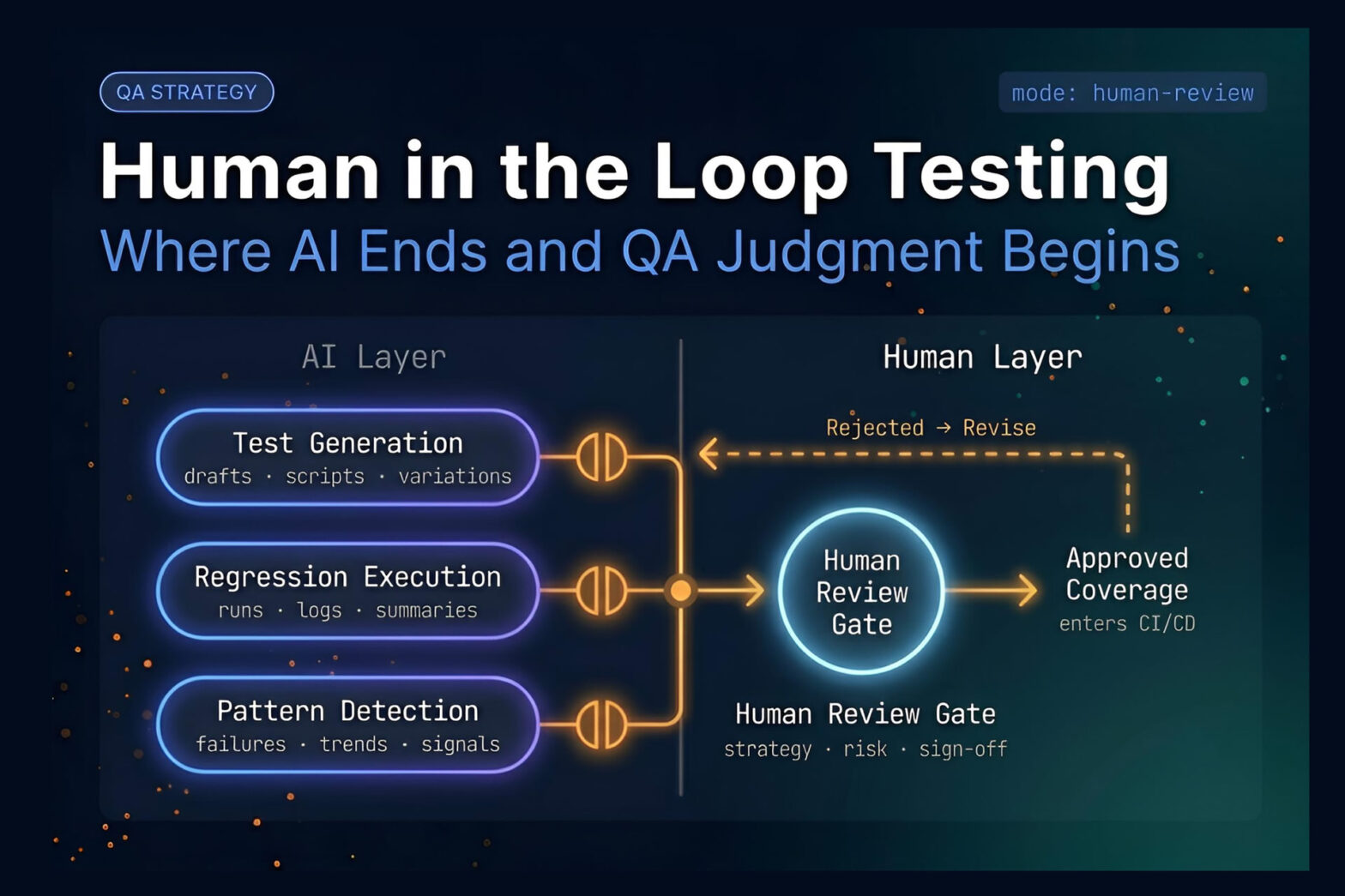
At a Glance Human in the Loop Testing: Where AI Ends and QA Judgment Begins The question isn’t whether to use AI in QA. It’s knowing exactly where to keep a human in control. The core risk: Over 75% of multi-agent failures are silent semantic errors that pass automated checks but violate business logic —… Continue reading Human in the Loop Testing: Where AI Ends and QA Judgment Begins
Is Pi Coding Agent Fast Enough for Agentic QA? A Qwen3.6 MTP Benchmark
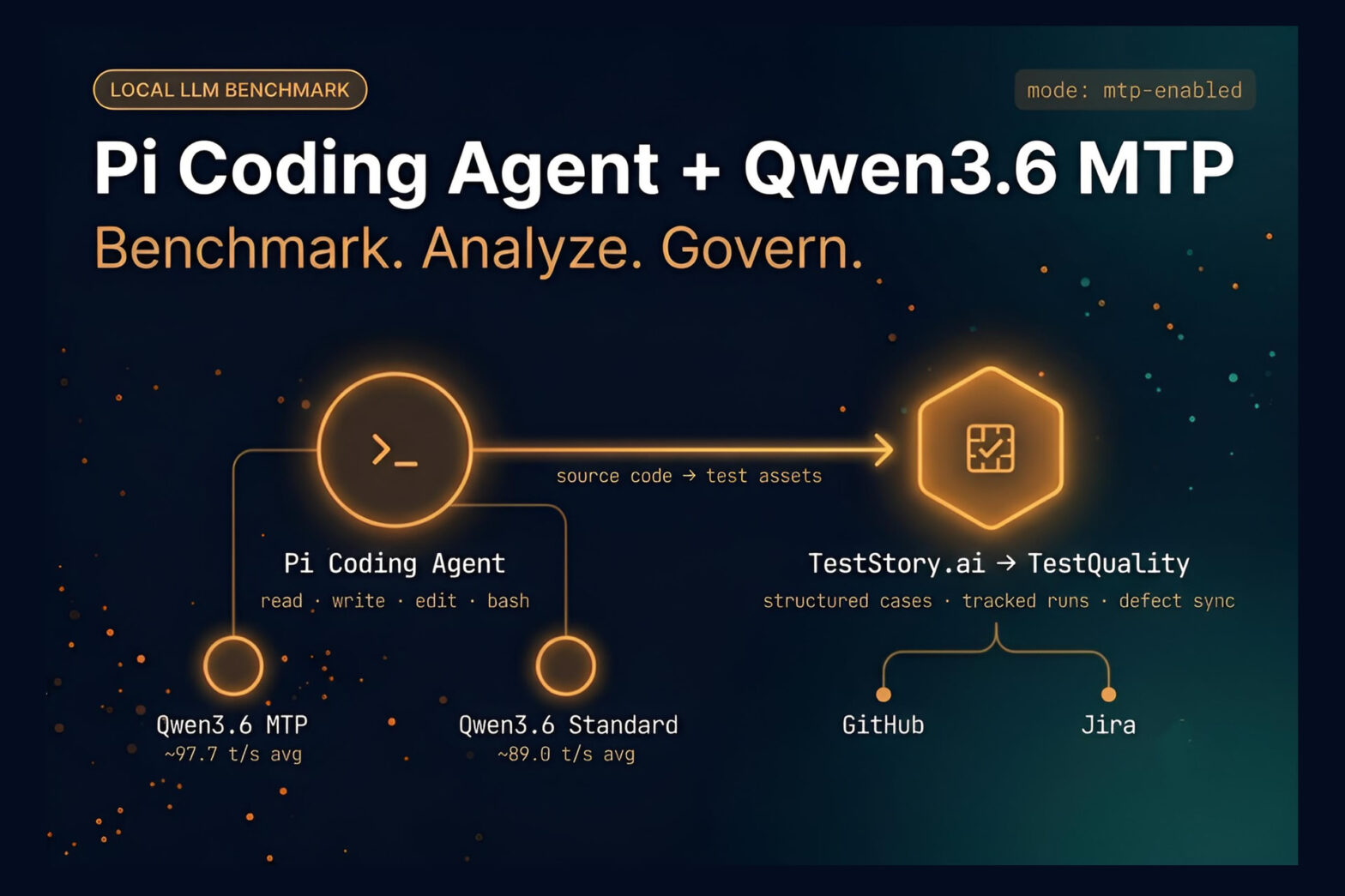
Pi Coding Agent is a minimal terminal coding harness built by Earendil Inc. that gives large language models direct read, write, edit, and bash access to a local codebase. It runs locally, supports Anthropic, OpenAI, and local model providers, and is designed to be extended through TypeScript extensions and skills. For QA teams evaluating local… Continue reading Is Pi Coding Agent Fast Enough for Agentic QA? A Qwen3.6 MTP Benchmark
How to Stop Bugs from Slowing Down Software Releases
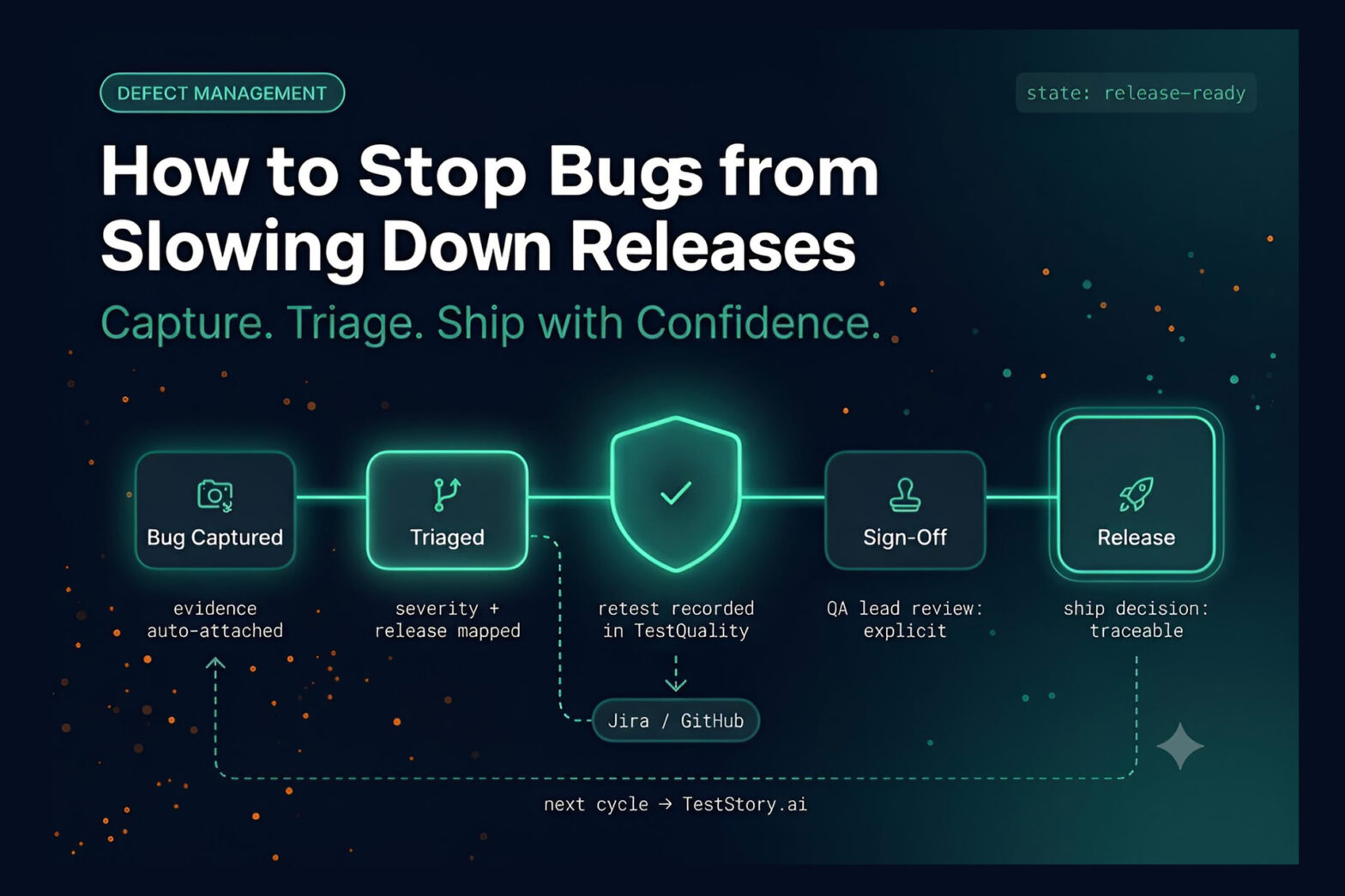
Defect management is the end-to-end process of capturing, triaging, routing, retesting, and closing software defects before they block a release. Most teams discover bugs fast enough — the delay comes in everything that happens after discovery: chasing reproduction details, clarifying which environment is affected, and confirming whether a fix actually holds before shipment. A fragmented… Continue reading How to Stop Bugs from Slowing Down Software Releases
How to Test MCP Servers with DeepEval
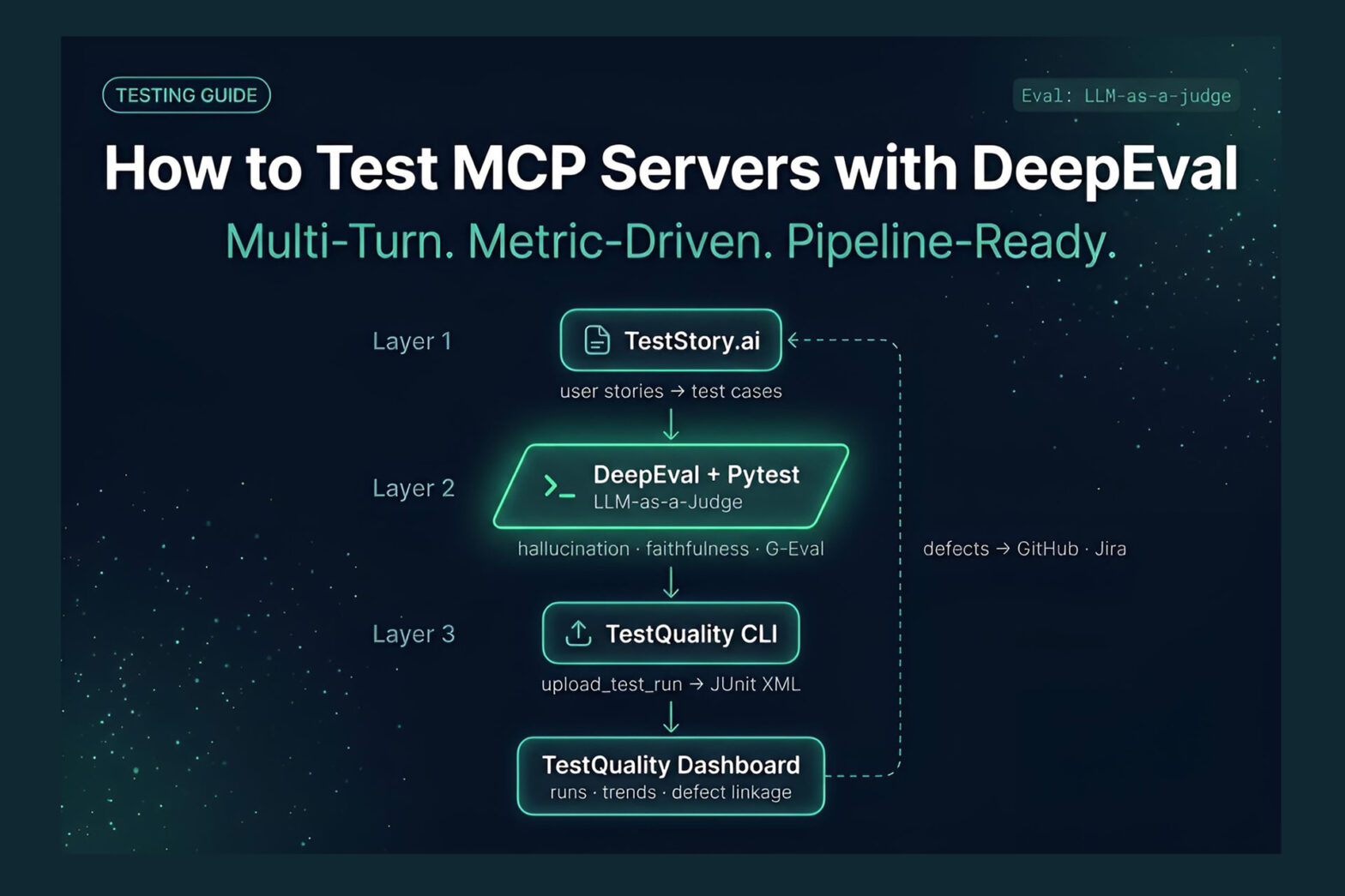
MCP server testing is the practice of validating that a Model Context Protocol server exposes the right tools, passes the right context, preserves session state across turns, and returns outputs an LLM can use correctly in real agentic workflows. For QA teams building AI products, this means testing not just API responses but complete tool-driven… Continue reading How to Test MCP Servers with DeepEval
Why Gemma 4 QAT Struggles in Local Coding Agent Tasks
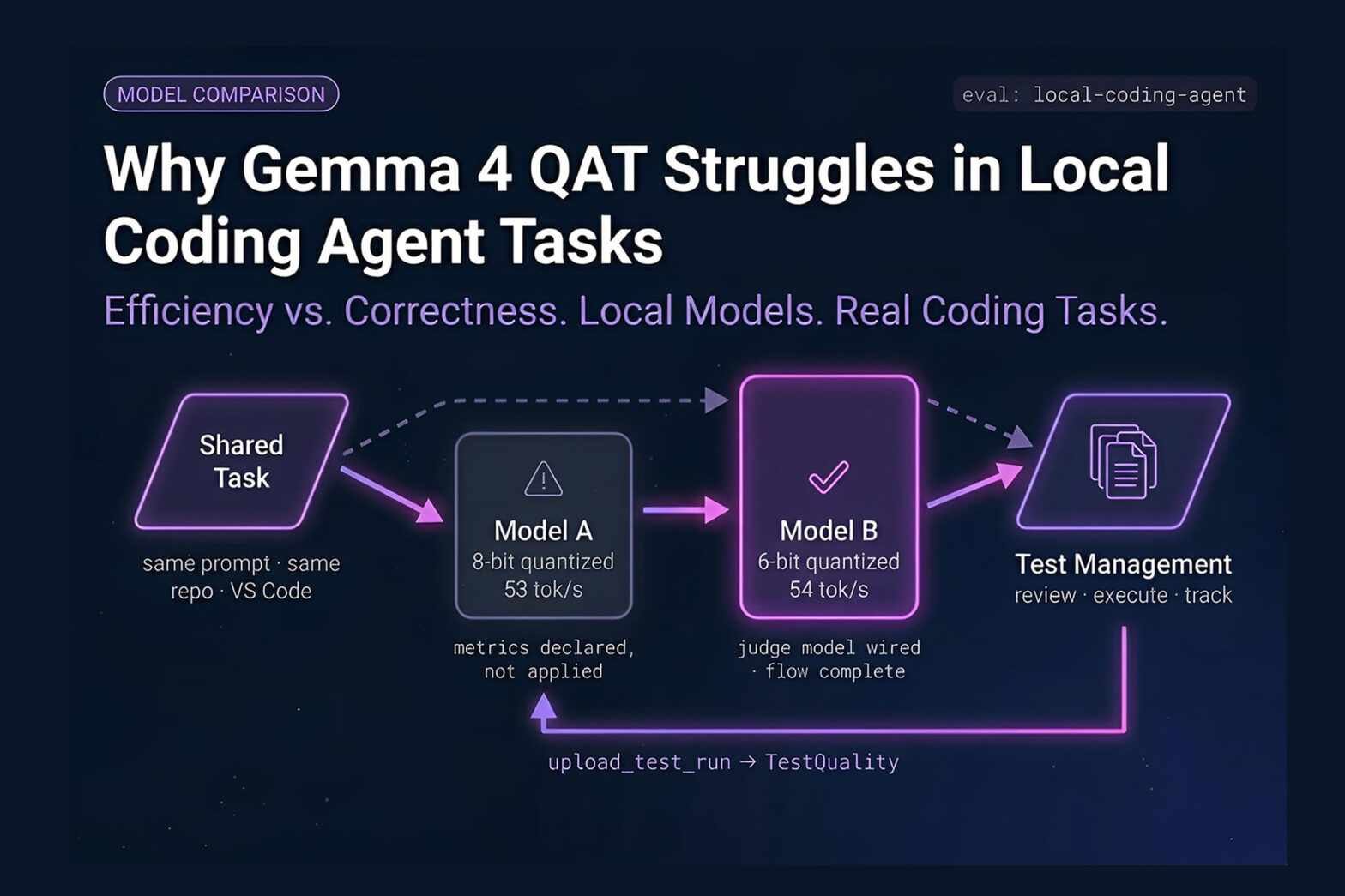
Gemma 4 QAT refers to Google’s quantization-aware versions of Gemma 4, designed to reduce memory use and improve local inference speed on developer machines. In a direct head-to-head coding-agent task using VS Code and DeepEval, Gemma 4 QAT produced structurally incomplete test code — initializing evaluation metrics without applying them correctly and omitting the required… Continue reading Why Gemma 4 QAT Struggles in Local Coding Agent Tasks
Claude Code with Playwright MCP: Agentic AI Test Automation Setup Guide
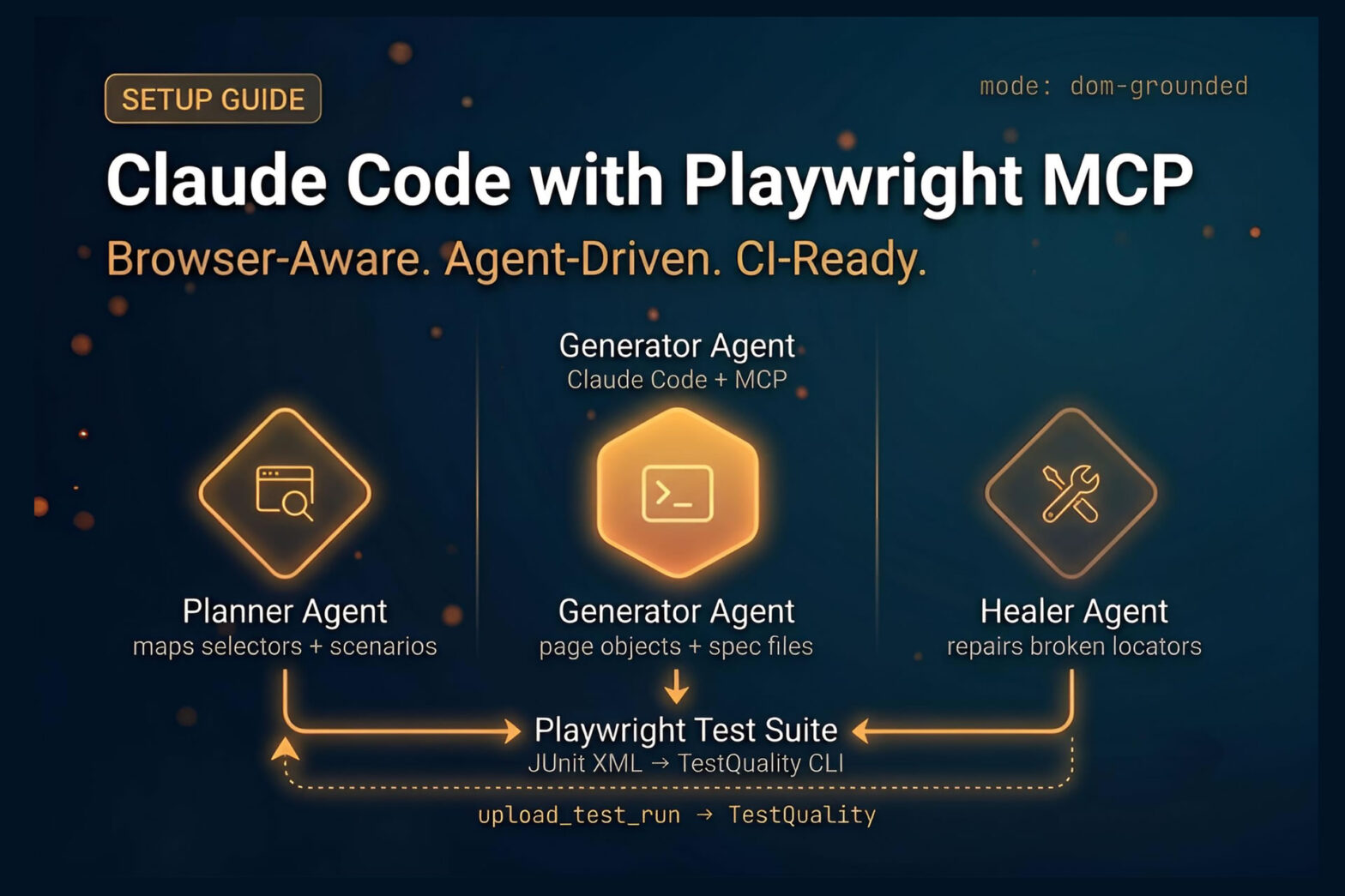
Claude Code with Playwright MCP is an agentic QA workflow where Claude Code uses the Playwright Model Context Protocol server to connect a coding agent to a live browser. The agent navigates the application, reads the actual DOM, captures real selectors, and generates executable Playwright tests from what it observes — instead of guessing page… Continue reading Claude Code with Playwright MCP: Agentic AI Test Automation Setup Guide
Do You Trust AI in Testing? A Framework QA Teams Can Actually Use
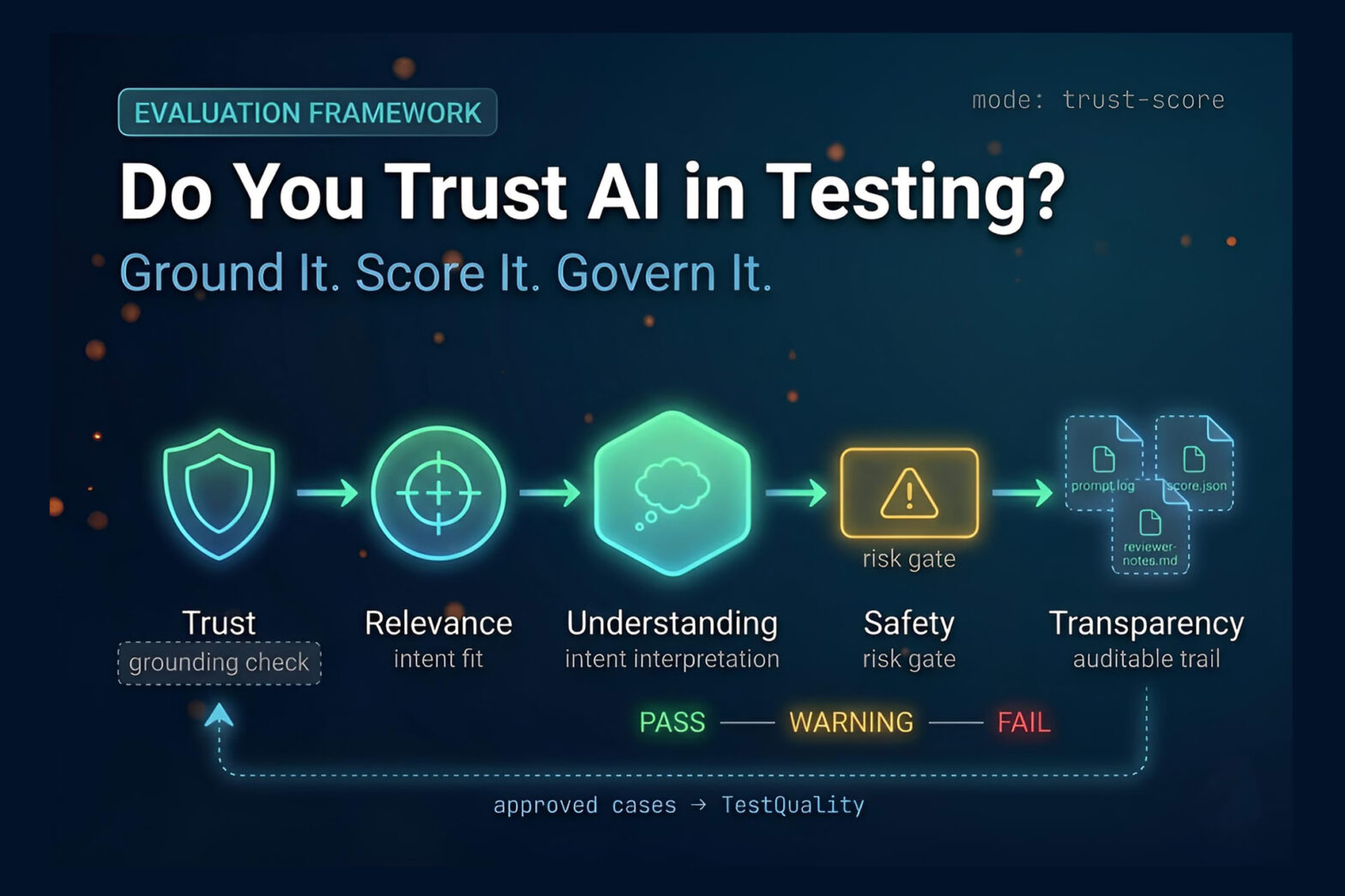
AI trust in testing is the problem of deciding whether an AI system’s output is reliable enough to support release decisions, test creation, coverage analysis, or production workflows. For QA teams, the core issue is that large language model output is nondeterministic, persuasive, and only partially grounded in source evidence — meaning a simple pass… Continue reading Do You Trust AI in Testing? A Framework QA Teams Can Actually Use